Together with their families
SharanyawedsNaman
25th November 2024 · Holiday Inn, Lucknow
· The City Of Nawabs
Begin the story
Right next to the Chaudhary Charan Singh airport, this newly built property eagerly awaits your indulgence. Witness an amazing amalgamation of traditional Lakhnavi tehzeeb with all the latest new technologies of the 21st century, in comfort, cuisine and constellations

Open-air lawns facing the water, dressed in marigold and diyas for the night ceremonies.
A restored 19th-century courtyard, hand-painted archways and a century-old banyan tree.
Sixty rooms and suites overlooking the lake, ready for out-of-town family and friends.
Rajasthani thalis to coastal seafood — a kitchen team known across the state.
A quiet wing for the morning after the sangeet — steam, massage, and mint tea.
A short boat ride to the ceremony island for the phera night, weather permitting.
Udaipur was founded in 1559 by Maharana Udai Singh II, who moved the capital of the Mewar kingdom here after Chittorgarh. Ringed by the Aravalli hills and threaded with lakes, it has long been called the City of Lakes — and, by visitors ever since, the most romantic city in India.
Its palaces, ghats and havelis are still lived in and cared for by the families who built them, which is part of why we chose it: a city that has always known how to hold a celebration, and how to make one feel like history in the making.
Raised in Jaipur and now practicing architecture in Mumbai, Aanya is the one who redraws the seating chart four times and is somehow always right. She grew up backstage at her mother's dance recitals and has never met a wedding she didn't cry at.
She says yes to early morning treks, terrible puns, and second helpings. Her family says she has been planning this day, in some notebook or another, since she was eleven.
 N
N
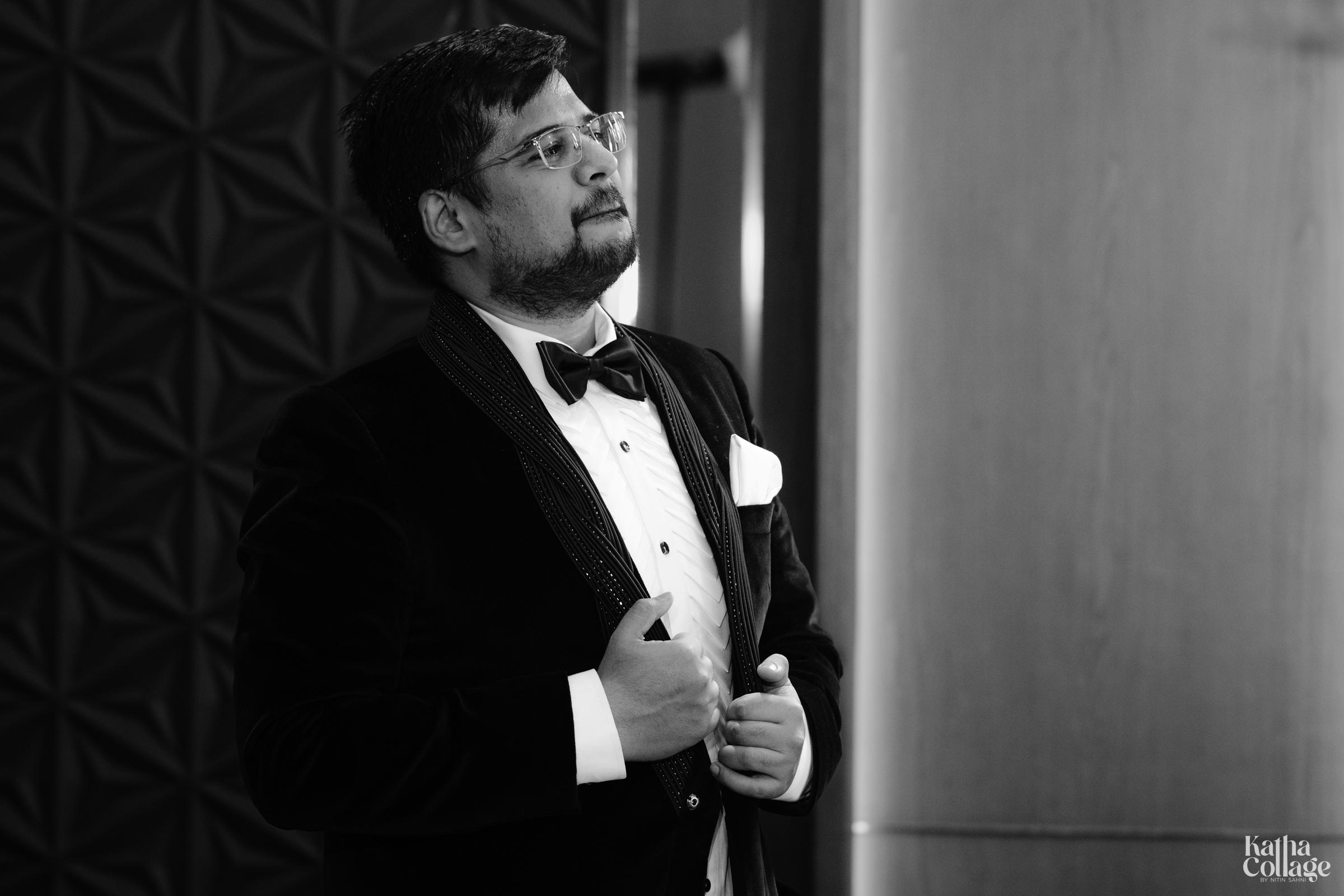
Veer grew up in Udaipur, three streets from where the baraat will begin, and left only long enough to study engineering in Pune before finding his way home. He runs a small studio building solar systems for old havelis — turning heritage buildings sustainable, one rooftop at a time.
He is the calm one in every room he enters, the last to leave a family dinner, and the reason Aanya's notebook of plans finally has a date attached to it.
A retired civil engineer who built half the bridges in Jaipur and is now, by his own account, building his daughter's happiness with just as much precision.
A classical dancer and the family's chief event planner, unofficially and always. She taught Aanya that grace and stubbornness can live in the same person.
Ran the family's textile business for thirty years and still knows every tailor in the old city by first name — several of them are making the wedding sherwanis.
Keeper of the family recipes and the loudest voice at every sangeet rehearsal. She has already picked her outfit for all six days.
Self-appointed choreographer of the sangeet, currently drilling three separate dance formations and refusing to reveal any of them early.
From the first puja to the last dance of the reception — here is how the days will unfold.
A quiet family puja to begin the celebrations, followed by an afternoon of mehndi, marigolds, and music in the courtyard.
Both families take the stage — rehearsed dances, a few unrehearsed ones, and a live band until the lawns empty out.
Turmeric, laughter, and inevitably ruined outfits, as both families bless the bride and groom separately before noon.
Veer arrives by horse and drumline through the old city gates; Aanya meets him at the palace steps for the garland exchange.
Seven vows around the sacred fire on the lakeside mandap, under a canopy of marigold and string lights.
A formal dinner and toasts on the banquet lawns, closing with dancing that will run well past the schedule.
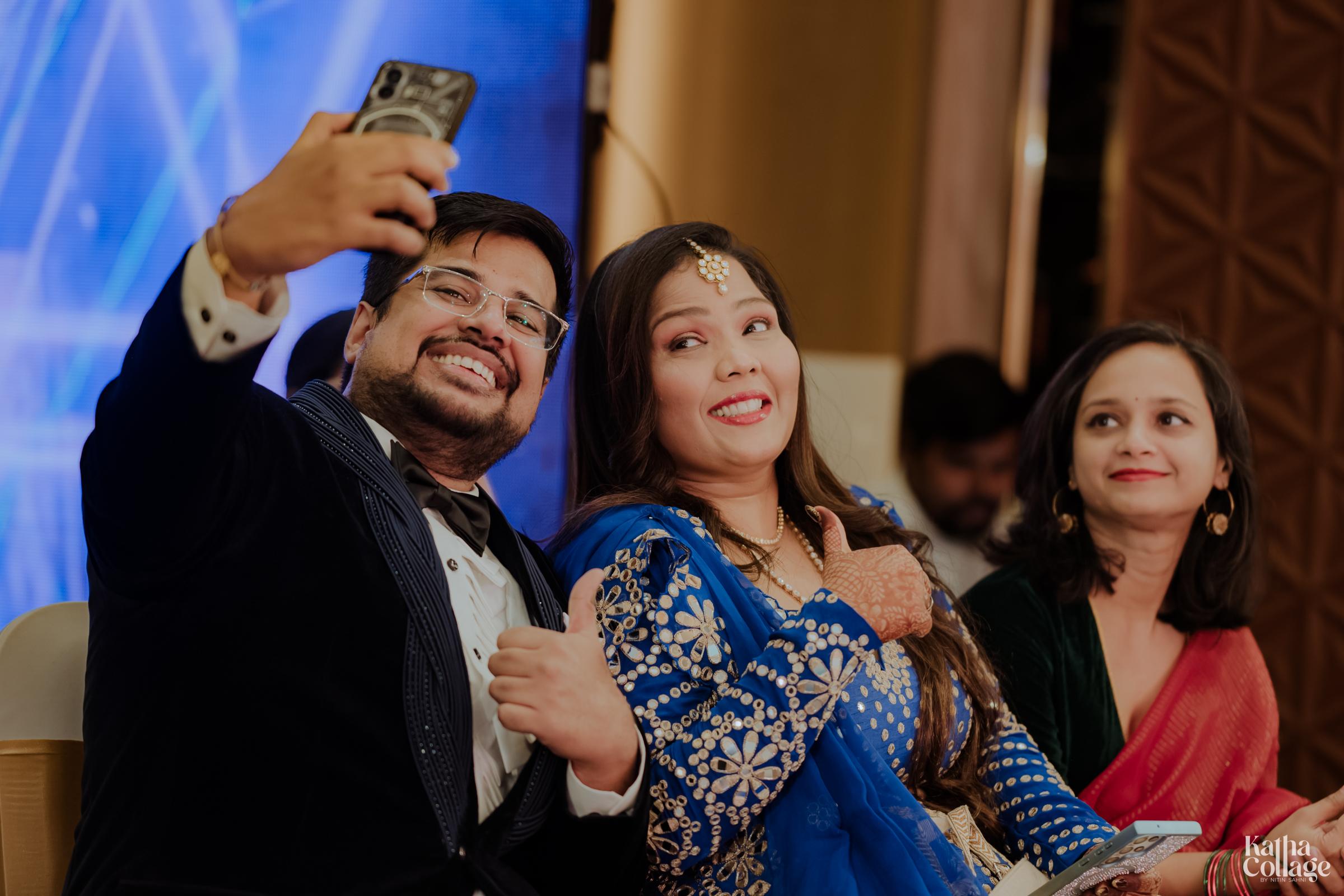
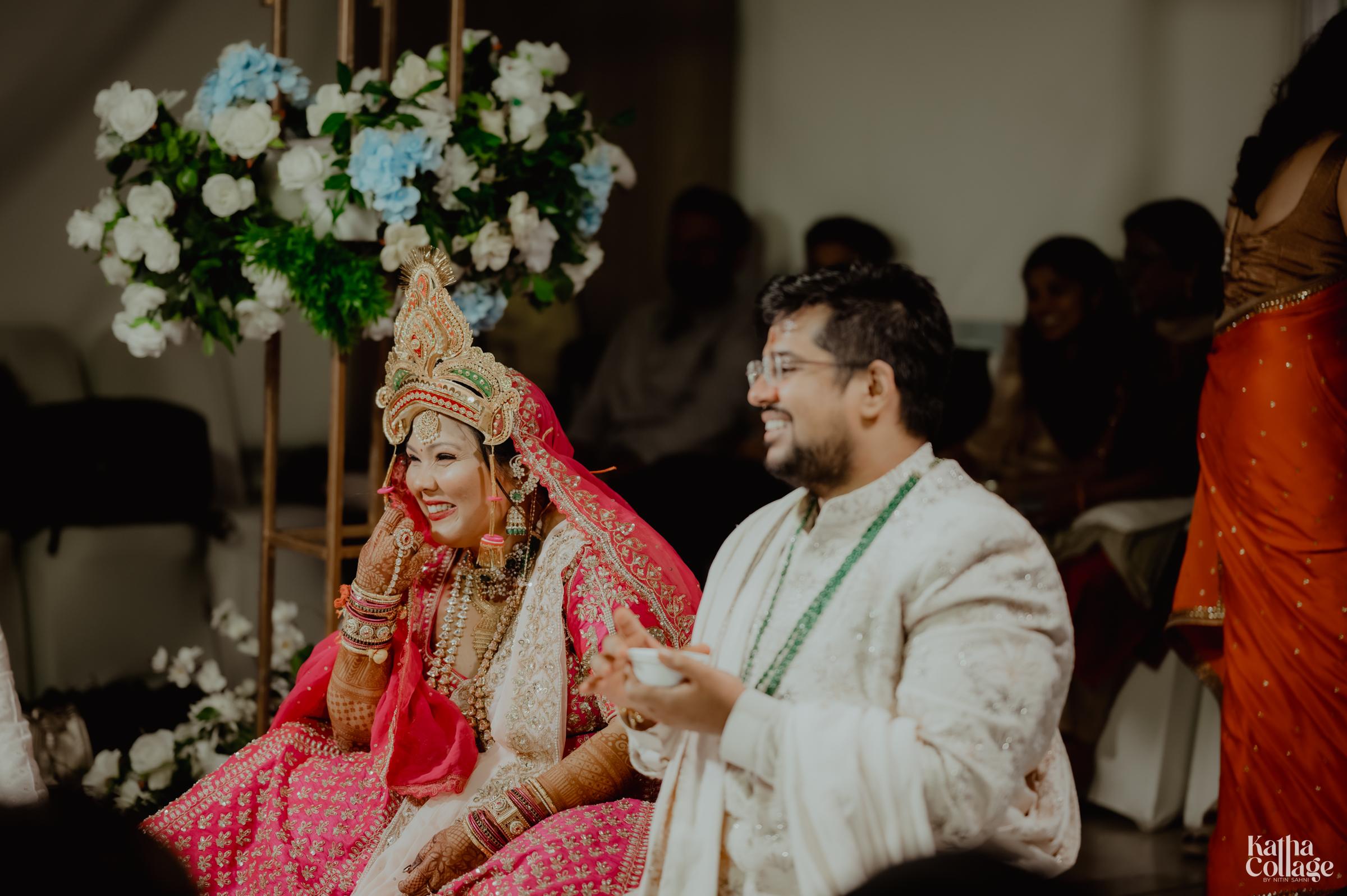
A few frames from the journey to this day — more to come after the wedding itself.
Of everything that will make this day beautiful — the marigolds, the music, the lake at sunset — none of it means as much without the people who raised us, taught us, and teased us into growing up. That is you. Come in your finest, dance without holding back, and help us make it a day we never stop talking about.